What Are the Most Affordable Ways to Go Zero Waste?
Living a zero waste lifestyle may seem daunting and expensive at first glance. However, with some smart choices and simple changes, going zero waste can be affordable and accessible to everyone. In this article, we will explore the most affordable ways to go zero waste, helping you make a positive impact on the environment without breaking the bank.
1. Reduce and Reuse
The first step towards zero waste is to reduce the amount of waste we generate. Start by evaluating your consumption habits and identifying areas where you can cut back. For example, try to buy only what you need and avoid impulse purchases. Additionally, opt for products with minimal packaging or choose items that come in recyclable or compostable materials.
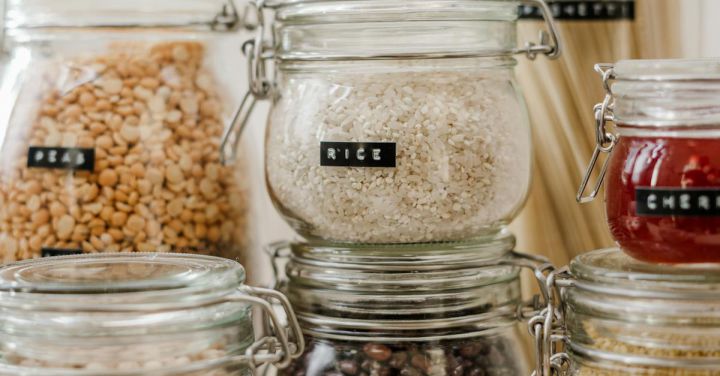
Reusing items is another effective way to minimize waste. Instead of throwing away single-use items, find creative ways to repurpose them. For instance, use old glass jars as food storage containers or turn old clothes into cleaning rags. By reducing and reusing, you can significantly decrease the amount of waste you produce.
2. Embrace Cloth Alternatives
Disposable products contribute a major portion to our waste stream. To reduce this waste, consider switching to cloth alternatives. Cloth napkins, towels, and handkerchiefs are not only more sustainable but also more cost-effective in the long run. Additionally, using washable cloth diapers for babies can save hundreds of dollars compared to disposable ones.
3. Ditch Plastic Bags and Bottles
Plastic bags and bottles are some of the most harmful and prevalent forms of single-use plastic. Invest in reusable shopping bags and bring them with you whenever you go grocery shopping. Not only will this save you money on plastic bags, but it will also help reduce plastic pollution. Similarly, switch to a reusable water bottle and say goodbye to disposable plastic bottles. Many places even offer water refilling stations, making it easier to stay hydrated on the go.
4. Compost Food Waste
Food waste is a significant contributor to greenhouse gas emissions in landfills. Instead of throwing food scraps into the trash, start composting them. Composting not only helps divert waste from landfills but also creates nutrient-rich soil for gardening. You can either set up a compost bin in your backyard or explore community composting options if you don’t have the space.
5. DIY Cleaning Products
Commercial cleaning products often come in single-use plastic containers and contain harmful chemicals that are harmful to both the environment and our health. Making your own cleaning products is not only more sustainable but also more affordable. With simple ingredients like vinegar, baking soda, and essential oils, you can create effective and eco-friendly cleaning solutions for your home.
6. Buy Secondhand
Buying secondhand is a fantastic way to reduce waste and save money. Thrift stores, consignment shops, and online platforms like eBay and Facebook Marketplace offer a wide range of pre-loved items at affordable prices. From clothing to furniture, you can find almost anything secondhand. By choosing to buy used instead of new, you are giving items a second life and reducing the demand for new products.
Conclusion
Going zero waste doesn’t have to be expensive. By adopting these affordable strategies, you can significantly reduce your environmental footprint without emptying your wallet. Remember, every small change counts, and together, we can make a big difference in creating a more sustainable future. So, start taking small steps towards zero waste today and inspire others to join the movement.