How to Tackle Home Improvement Projects Without Overspending?
Home improvement projects can be exciting and rewarding, but they can also quickly become expensive. If you’re looking to spruce up your home without breaking the bank, there are several strategies you can employ to keep costs in check. In this article, we’ll explore some practical tips to help you tackle home improvement projects without overspending.
1. Set a Budget
Before diving into any home improvement project, it’s crucial to set a realistic budget. Determine how much you’re willing to spend and stick to it. This will help you prioritize your projects and make informed decisions about where to allocate your funds. Remember to account for unexpected expenses that may arise along the way.
2. Plan Ahead
Proper planning is essential when it comes to home improvement projects. Take the time to research and gather ideas for your desired outcome. Look for cost-effective alternatives and compare prices from different suppliers. By planning ahead, you can save money by finding the best deals and avoiding last-minute impulse purchases.
3. Do It Yourself (DIY)
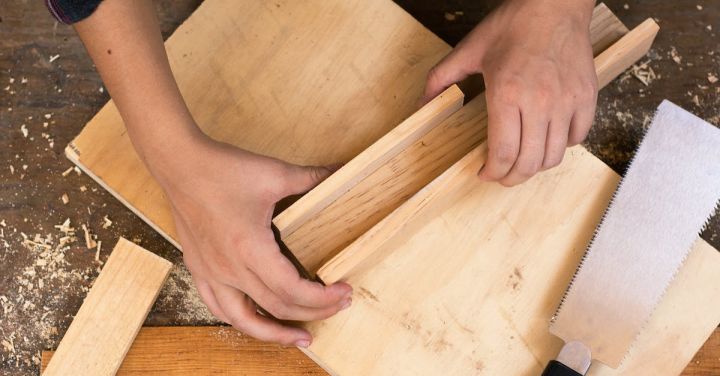
One of the most effective ways to save money on home improvement projects is by taking a DIY approach. Instead of hiring professionals for every task, consider tackling some of the work yourself. There are numerous online tutorials and resources available to help you learn new skills and techniques. Just be sure to assess your abilities and only take on projects that you’re confident you can handle.
4. Focus on Small Upgrades
Not all home improvements need to be major undertakings. Sometimes, small upgrades can make a big impact. Instead of completely renovating a room, consider simple changes like repainting walls, replacing hardware, or updating light fixtures. These minor upgrades can breathe new life into your space without draining your wallet.
5. Shop Smart
When it comes to purchasing materials and supplies, shopping smart is key. Compare prices from different retailers and consider buying in bulk to take advantage of discounts. Don’t be afraid to negotiate prices or ask for discounts. Additionally, keep an eye out for sales and promotions, both online and in-store. By being a savvy shopper, you can significantly reduce costs on your home improvement projects.
6. Repurpose and Recycle
Before throwing out old items, consider repurposing or recycling them. For example, you can transform old dressers into bathroom vanities or use mason jars as stylish storage containers. Repurposing not only saves money but also adds a unique touch to your home. Additionally, if you’re renovating, salvage any materials that are still in good condition and repurpose them for future projects.
7. Prioritize Energy Efficiency
When making home improvements, prioritize energy efficiency. Upgrading to energy-efficient appliances, installing proper insulation, and replacing old windows can help you save on utility bills in the long run. While these upgrades may require an upfront investment, they will ultimately pay for themselves through energy savings.
In conclusion, tackling home improvement projects without overspending is entirely possible with careful planning and smart decision-making. Set a budget, plan ahead, and consider taking a DIY approach. Focus on small upgrades, shop smart, and repurpose or recycle whenever possible. Finally, prioritize energy efficiency to save money in the long term. By implementing these strategies, you can transform your home while keeping costs under control.