Can Composting at Home Save You Money?
Composting is the process of decomposing organic waste into nutrient-rich soil that can be used to nourish plants and gardens. While many people compost for its environmental benefits, such as reducing waste and greenhouse gas emissions, did you know that composting at home can also save you money? In this article, we will explore how composting can help you cut down on expenses and reap financial benefits.
Reducing Waste Disposal Costs
One of the most obvious ways that composting can save you money is by reducing your waste disposal costs. By diverting organic waste from your regular trash bin and composting it instead, you can significantly decrease the amount of waste that needs to be collected and disposed of. This can result in lower waste management fees, especially if you live in an area where waste disposal is charged based on the weight or volume of your trash.
Fertilizer Savings
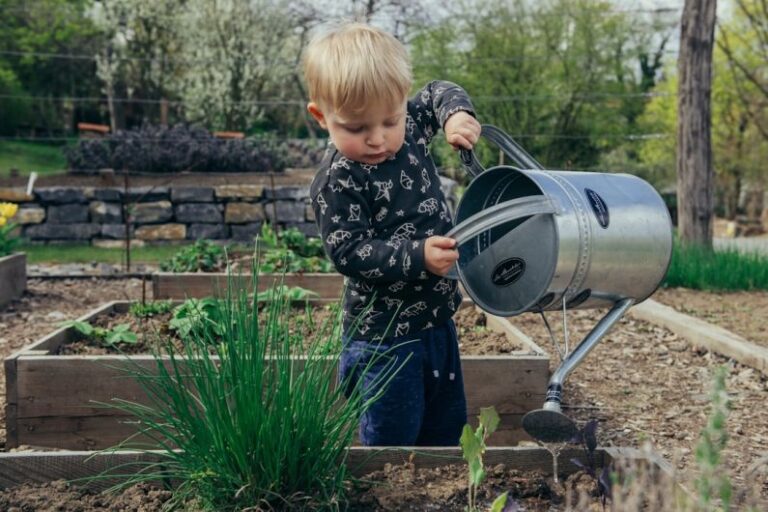
Composting produces nutrient-rich soil, known as compost, which can be used as a natural fertilizer for your plants and gardens. By using compost instead of store-bought fertilizers, you can save a substantial amount of money. Commercial fertilizers can be expensive, especially if you have a large garden or extensive landscaping. Compost, on the other hand, is free and readily available from the organic waste you generate at home.
Reduced Watering Needs
Compost improves soil structure and water retention, which means that plants grown in compost-amended soil require less watering. By using compost in your garden, you can reduce your water consumption, resulting in lower water bills. Additionally, compost helps to prevent soil erosion, allowing the soil to retain moisture for longer periods. This can be particularly beneficial in areas prone to drought or where water scarcity is a concern.
Lower Grocery Bills
Composting not only helps you save money in your garden but also in your kitchen. By composting fruit and vegetable scraps, coffee grounds, eggshells, and other food waste, you can reduce the amount of food you throw away. This, in turn, can lead to lower grocery bills as you become more mindful of your food consumption and waste. Composting encourages you to use up leftovers, plan meals more efficiently, and buy only what you need, resulting in cost savings over time.
Healthier Plants, Fewer Expenses
Using compost in your garden can lead to healthier plants that are more resistant to pests and diseases. This means that you may need to spend less on pesticides, insecticides, and other chemicals to protect your plants. Compost contains beneficial microorganisms that promote soil health and plant growth, creating a natural defense system for your garden. By investing in composting, you can save money on expensive plant treatments and ensure the long-term vitality of your garden.
Conclusion: A Sustainable and Cost-Effective Solution
Composting at home is not only an environmentally sustainable practice but also a cost-effective solution. By reducing waste disposal costs, saving on fertilizer expenses, decreasing water needs, lowering grocery bills, and promoting plant health, composting can lead to significant financial savings. Whether you have a small backyard or live in an urban apartment, composting is a simple and rewarding way to contribute to a greener planet while also benefiting your wallet. So, why not give it a try and start composting at home today?