How to Save Water and Costs with Smart Gardening Techniques?
Water is a precious resource that is becoming increasingly scarce in many parts of the world. As gardeners, it is our responsibility to find ways to conserve water and reduce our overall water usage. By implementing smart gardening techniques, not only can we protect the environment, but we can also save money on our water bills. In this article, we will explore some effective strategies to help you achieve a water-efficient garden.
Choose the Right Plants
One of the most important aspects of smart gardening is selecting the right plants for your garden. Native plants and drought-tolerant varieties are excellent choices as they have adapted to the local climate and require less water to thrive. Additionally, consider grouping plants with similar watering needs together, so you can provide water more efficiently.
Mulching
Mulching is a simple yet effective way to conserve water in your garden. By applying a layer of organic mulch around your plants, you can significantly reduce evaporation and keep the soil moist for longer periods. Mulch also helps suppress weed growth, which in turn reduces competition for water.
Watering Techniques
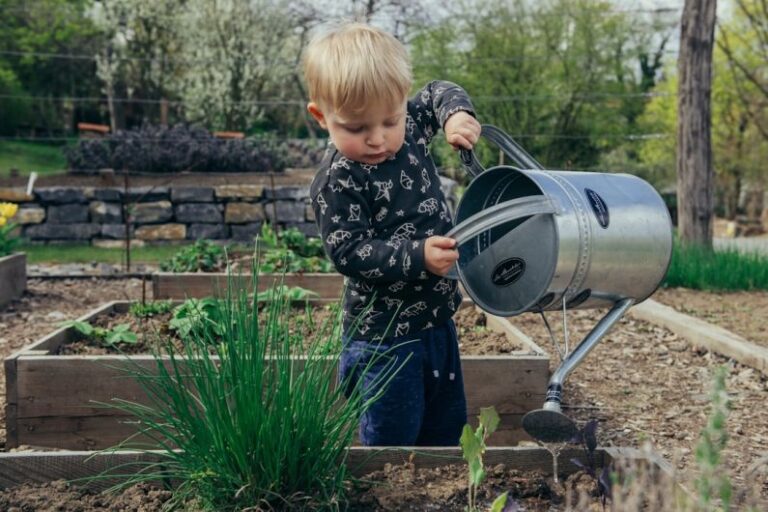
When it comes to watering your garden, it’s essential to use smart techniques to minimize water wastage. One technique is drip irrigation, which delivers water directly to the roots of plants, reducing evaporation and runoff. Another option is using a soaker hose, which allows water to seep slowly into the soil, ensuring efficient water absorption.
Timing is Key
Timing your watering is crucial to maximize water absorption and minimize evaporation. Watering early in the morning or late in the evening when the temperatures are cooler and the sun is less intense is ideal. This way, the water has time to soak into the soil before the heat of the day causes evaporation.
Rainwater Harvesting
Collecting rainwater is an excellent way to save water and reduce your dependence on municipal water supplies. Install a rain barrel or a larger rainwater harvesting system to capture rainwater from your roof. You can then use this water to irrigate your garden during dry periods. Rainwater is also beneficial for plants as it is free of chemicals found in tap water.
Smart Irrigation Systems
Investing in a smart irrigation system can be a game-changer for water conservation in your garden. These systems use weather data and moisture sensors to determine when and how much water to apply. By only watering when necessary and in the right amounts, you can avoid overwatering and save water.
Proper Maintenance
Maintaining your garden properly is essential for water conservation. Regularly inspect your irrigation system for leaks or malfunctions and fix them promptly. Weeding regularly is also crucial as weeds compete with your plants for water. Additionally, regularly monitor the moisture levels in your soil, so you can adjust your watering schedule accordingly.
Conclusion: A Water-Efficient Garden
By implementing these smart gardening techniques, you can create a garden that not only thrives but also conserves water and saves costs. Choosing the right plants, mulching, using efficient watering techniques, timing your watering, harvesting rainwater, investing in smart irrigation systems, and proper maintenance all play a significant role in achieving a water-efficient garden. Let’s do our part in preserving this valuable resource while enjoying the beauty and benefits of our gardens.